
What Alabama Uninsured Motorist Coverage May Pay
Alabama’s UM statute focuses on damages for bodily injury, sickness, disease, or death that an insured is legally entitled to recover from an uninsured motorist. The Alabama Department of Insurance identifies a hit-and-run driver as one situation in which UM coverage may apply.
Subject to proof, policy limits, and any applicable offsets, recoverable injury damages may include:
- Past and future medical expenses supported by the evidence;
- Lost wages or other proven income losses;
- Pain and suffering; and
- Other damages for which the hit-and-run driver would have been legally liable.
Payment is not automatic merely because the other driver fled. The claimant generally must establish that the other motorist was uninsured or unidentified, that the motorist was legally responsible, that the crash caused the claimed injuries, and the amount of the resulting damages. These are many of the same factual issues involved in a broader car accident claim.
Alabama precedent also interprets the phrase “legally entitled to recover” to encompass punitive damages. That can matter in particular cases, including Alabama wrongful-death claims, although any recovery remains subject to applicable coverage limits.

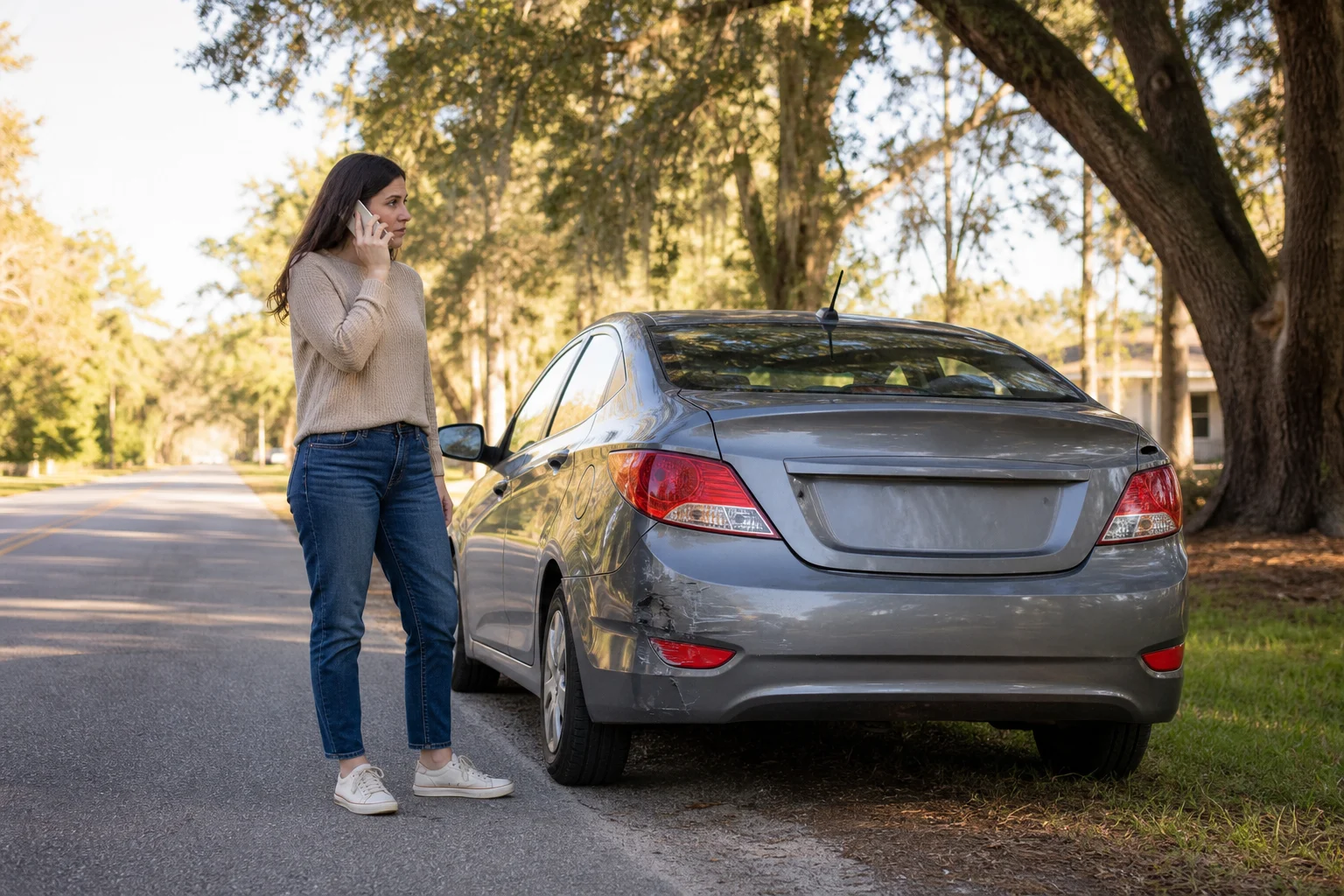
Which Coverage May Address Each Loss
| Coverage or Provision | Potential Role | What Requires Review |
|---|---|---|
UM bodily-injury coverage |
May pay proven injury-related damages the uninsured or unidentified driver legally owed. |
Insured status, fault, causation, damages, limits, offsets, and policy terms. |
Collision coverage |
May provide repair or total-loss benefits for the insured vehicle. |
Whether the coverage was purchased, the deductible, exclusions, valuation, and other terms. |
Uninsured-motorist property-damage or related coverage |
May address vehicle or other property damage if the policy includes it. |
The endorsement’s scope, limits, deductible, eligibility requirements, and exclusions. |
Rental-reimbursement coverage |
May help with temporary transportation expenses when purchased and triggered. |
Daily and total limits, qualifying events, duration, and policy conditions. |
Alabama UM Coverage When the Driver Is Unidentified
When a genuine hit-and-run driver cannot be identified, Alabama precedent treats the unknown owner or operator as presumptively uninsured for purposes of the UM analysis. That addresses the uninsured-status element, but it does not establish every other part of the claim.
The injured person must still prove that the unidentified vehicle existed, that its driver acted wrongfully, that the conduct caused the crash or injury, and that compensable damages resulted. A disputed claim may therefore focus as heavily on fault and causation as it does on coverage.
Coverage Still Depends on the Policy
Alabama auto liability policies covering vehicles registered or principally garaged in the state must provide UM protection unless the named insured rejects it. A prior written rejection may remain effective when a policy is renewed by the same insurer unless the named insured requests UM coverage in writing.
The declarations page, complete policy, endorsements, and any rejection form should be reviewed together. The identity of the person making the claim also matters because the policy determines who qualifies as an insured. Those questions commonly arise in cases involving a driver without insurance.
No-Contact Alabama UM Coverage Claims
A hit-and-run claim is not necessarily defeated because the vehicles never touched. For example, a claimant may contend that an unidentified vehicle forced an evasive maneuver that caused a crash without making contact.
In Walker v. GuideOne Specialty Mutual Insurance Company, the Supreme Court of Alabama held that an insurer could not impose an evidentiary requirement more restrictive than Alabama’s UM statute. The absence of physical contact or an independent witness is therefore not a categorical bar.
That does not lower the claimant’s ordinary burden of proof. Useful evidence may include a prompt account of what happened, photographs, dashcam or nearby camera footage, witness information, vehicle-damage patterns, scene evidence, medical records, and consistent descriptions given to law enforcement and the insurer.

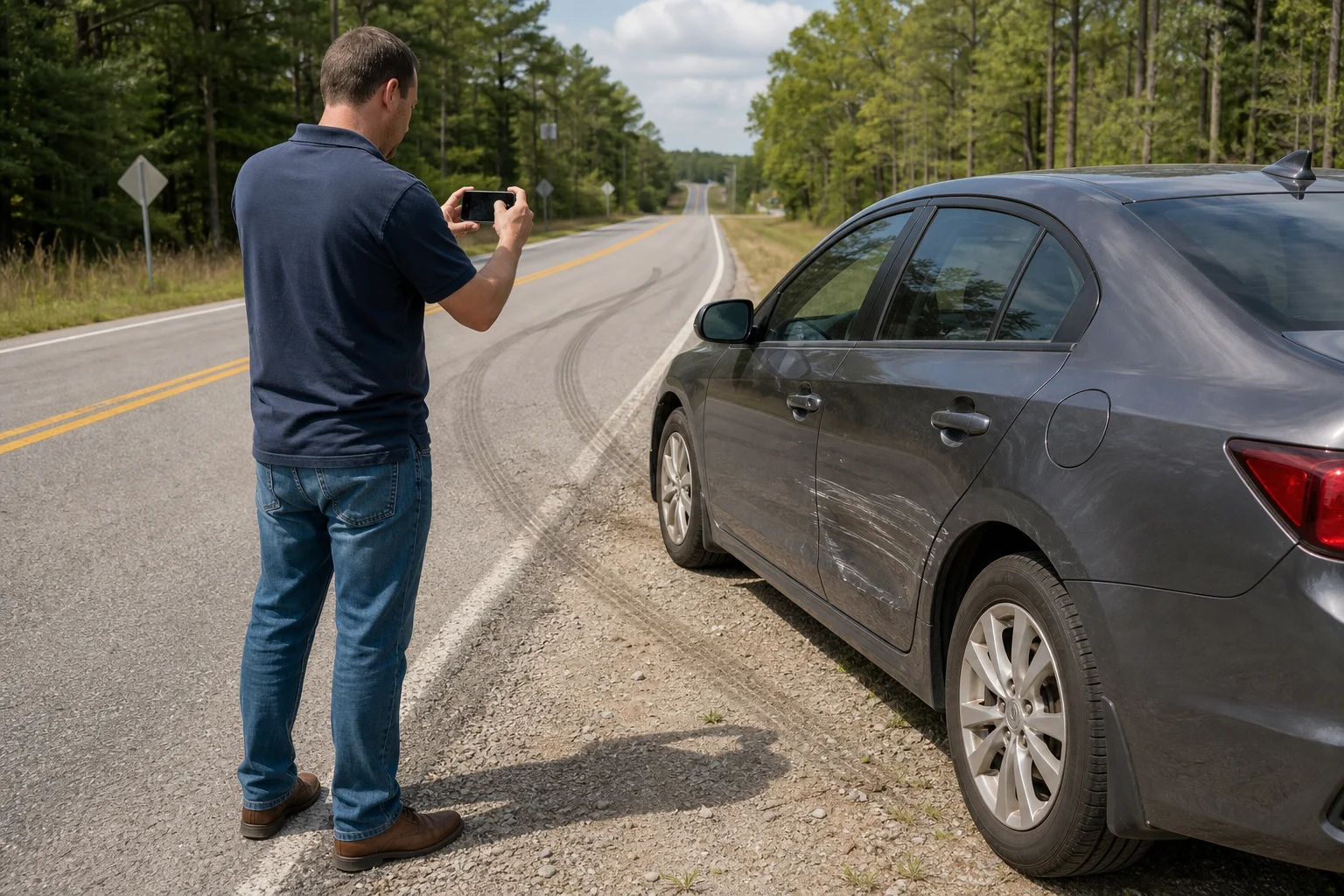
What to Do After an Alabama Hit-and-Run
-
Address Immediate Safety and Health Needs
Move to a safer location when possible, request emergency assistance when needed, and seek medical attention appropriate to your symptoms.
-
Report the Crash and Ask About the Accident Report
Provide law enforcement with the details you remember. Alabama law requires investigating officers to forward a completed accident report, and people involved in the crash, their authorized attorneys, and their insurers are among those permitted to obtain it.
-
Preserve Evidence Before It Disappears
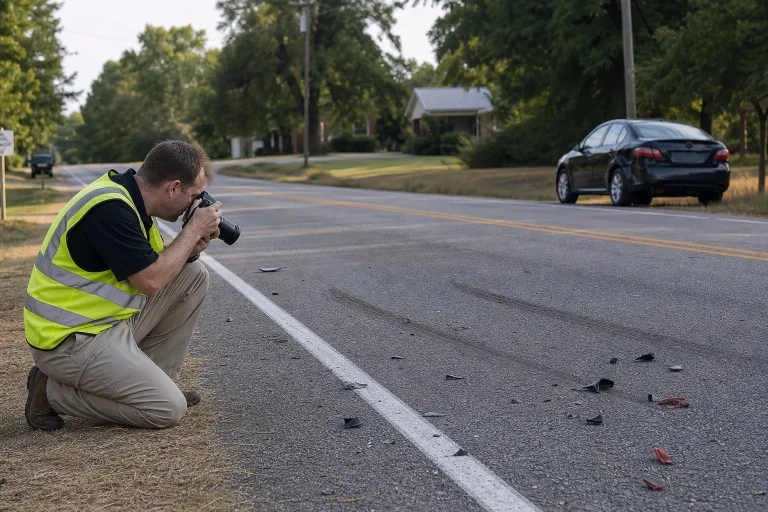
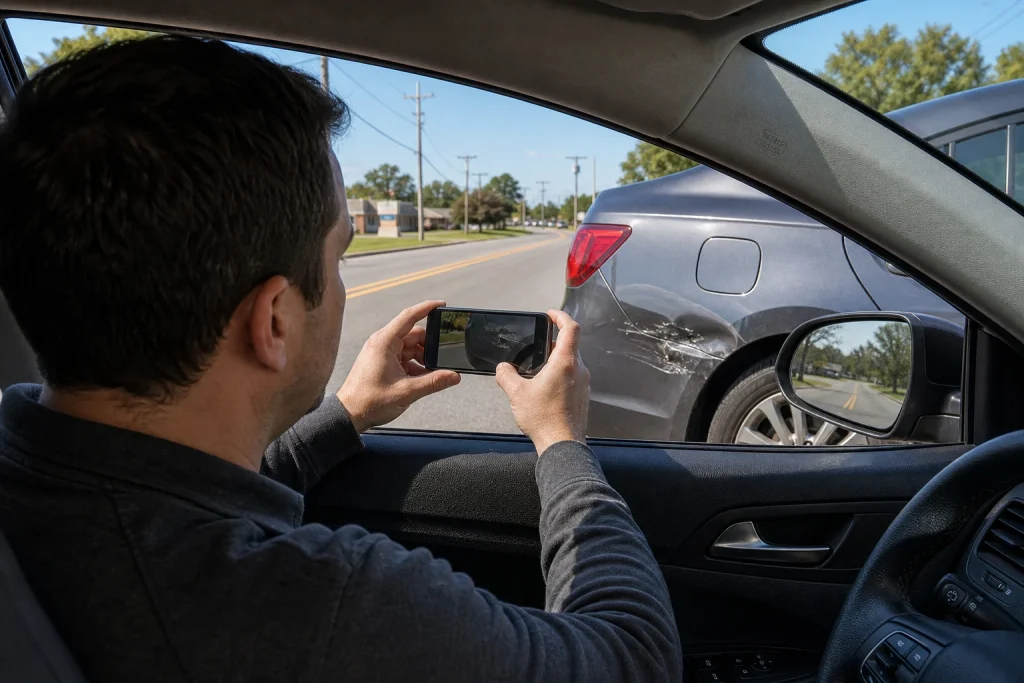
Save photographs, videos, witness contact information, damaged property, repair records, and notes describing the unidentified vehicle and how the crash occurred. Identify nearby businesses or residences that may have cameras.
-
Give the Insurer Prompt Notice
Follow the policy’s claim and notice instructions as soon as reasonably possible. The supplied materials do not establish one universal notice deadline for every policy, so the actual language must be checked.
-
Request the Complete Coverage File
Obtain the declarations page, full policy, endorsements, and any UM rejection form. Confirm which vehicles and people are insured and whether collision, property-damage, rental, or other relevant provisions appear.
-
Document Injury-Related Losses
Keep medical bills, treatment records, wage information, receipts, and a clear account of how the injuries affect daily activities. These materials may help establish the nature and amount of claimed damages.
Alabama UM Coverage Limits, Rejection, and Stacking
Alabama’s minimum auto liability limits are $25,000 for bodily injury or death to one person, $50,000 for bodily injury or death to multiple people in one accident, and $25,000 for property damage. Statutory UM bodily-injury limits ordinarily begin at $25,000 per person and $50,000 per accident unless higher limits were purchased.
Those figures are limits, not promised payments. The value of a claim still depends on proven liability and damages, and the amount available can be affected by the policy, offsets, and other applicable coverage.
When Stacking May Increase Available Coverage
Within one multivehicle insurance contract, Alabama permits recovery of the primary UM coverage plus coverage associated with no more than two additional vehicles. This can potentially make as many as three coverages available.
Stacking is not automatic in every claim. The contract structure, the claimant’s status as an insured, vehicle occupancy, and whether separate policies are involved can change the analysis. The policy should be reviewed before multiplying a stated limit by the number of listed vehicles.
Deadlines and Policy Conditions Still Matter
The Supreme Court of Alabama has held that a direct claim for UM or UIM benefits against an insurer is contractual, has a six-year limitations period, and accrues on the date of the accident. That rule concerns the direct benefits claim; distinct breach-of-contract or bad-faith theories may present different accrual questions.
The six-year period should not be treated as permission to wait. Policy notice and cooperation requirements may call for action much sooner, and evidence can become harder to obtain with time. Collision, rental, property-damage, and other benefits may also be governed by separate policy conditions.
Because the correct deadline can depend on the claim being asserted and the policy language, a claim-specific review is important whenever timing is uncertain.
Alabama UM Coverage FAQs
Which Policy Documents Should I Review After a Hit-and-Run?
Review the declarations page, complete policy, endorsements, and any UM rejection form together. These materials can help identify who is insured and whether collision, property-damage, rental, or other provisions may apply.
Can I Have a Claim If the Other Vehicle Never Hit Mine?
Potentially. Alabama does not categorically bar a no-contact phantom-vehicle claim solely because there was no collision or independent witness. You must still prove the unidentified vehicle, wrongful conduct, causation, injuries, and damages.
Does Every Alabama Auto Policy Have UM Coverage?
Alabama policies within the statute’s scope must provide UM coverage unless the named insured rejects it. A prior written rejection may remain effective for a renewal from the same insurer, so the policy and any rejection document must be reviewed.
Can UM Coverage Be Stacked After a Hit-and-Run?
Sometimes. Within one multivehicle contract, Alabama law may permit the primary coverage plus coverage for up to two additional vehicles. Insured status, occupancy, policy structure, and separate-policy issues can affect availability.
How Long Do I Have to Bring a UM Claim?
A direct Alabama UM or UIM benefits claim generally has a six-year limitations period running from the accident date. Other legal theories and policy notice requirements may follow different timing rules, so early review is advisable.